
 French
  English
  Spanish
  Portuguese
  Russian
  Arabic
  German
  Italian
  Dutch
Dutch  Japanese
  Korean
  Thai
Thai  Vietnamese
  Indonesian
  Turkish
  Hebrew
  Panjabi
  Malay
Malay  Bengali
  Persian
  Urdu
Urdu  Hazaragi
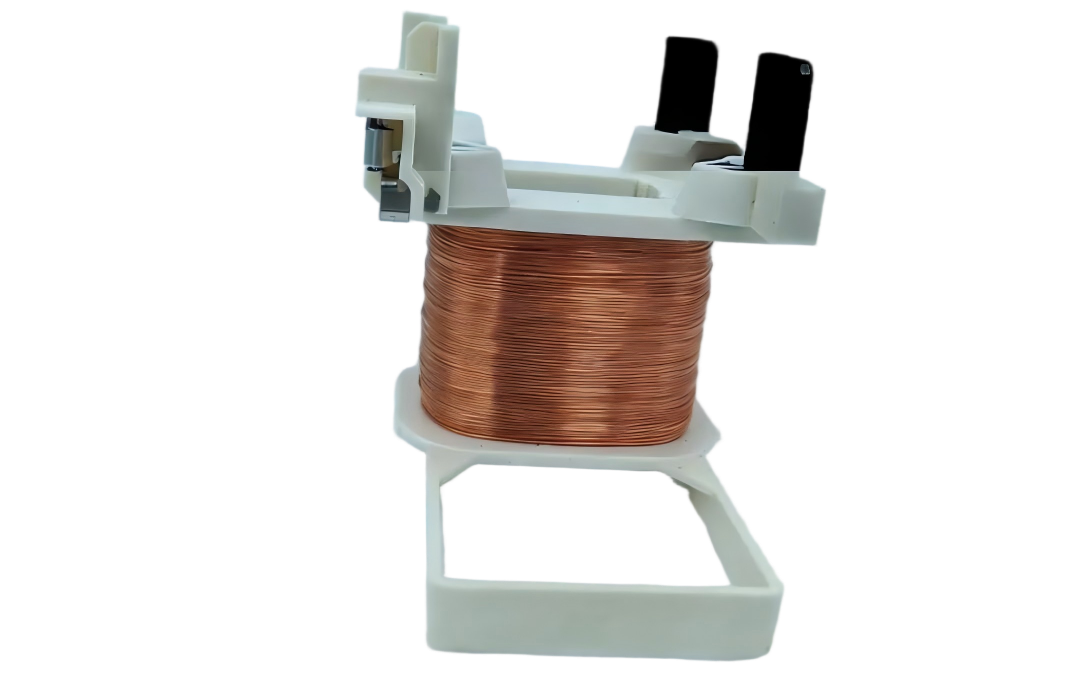
 The “opening and closing coil” of a high-voltage circuit breaker is an important component of the circuit breaker’s electric operating mechanism. It is a hollow cylindrical coil wound with copper wire, possessing excellent conductivity. When current passes through the coil, it generates a magnetic field, which, through electromagnetic force, drives the positioning pins of the circuit breaker’s opening and closing springs to perform opening and closing operations.
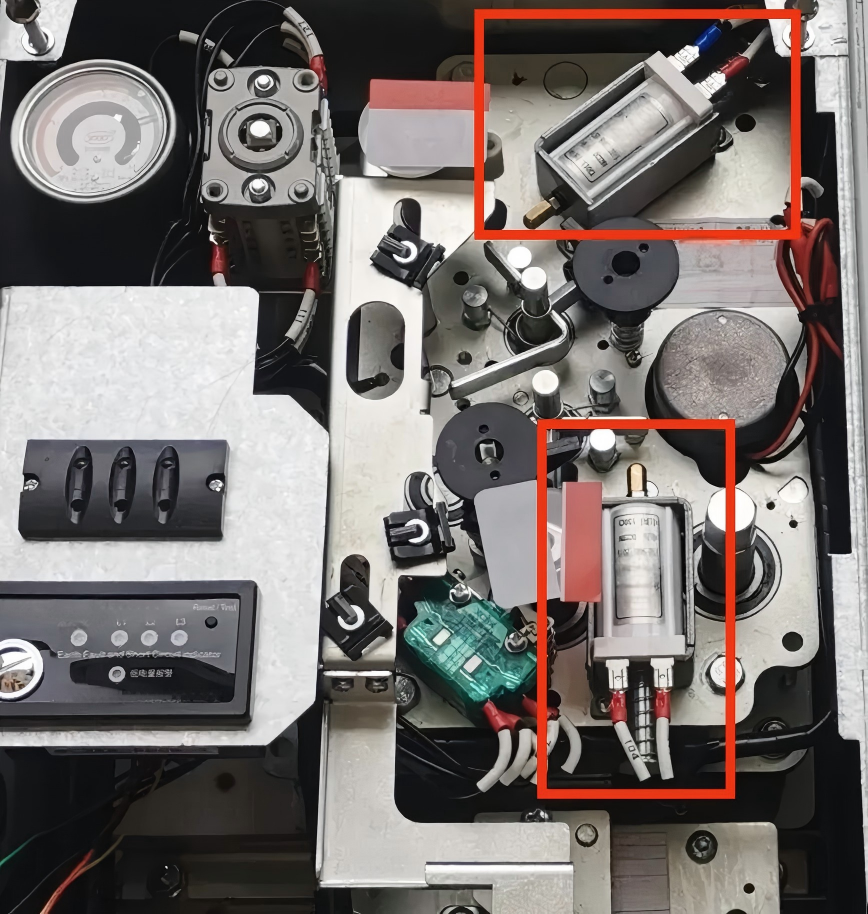
In layman’s terms, “closing coil” refers to “closing electromagnet”. So why do ring main units often burn out “closing coils”?
I.The core reason why the closing and tripping coils of ring main units frequently burn out is that the coil is energized for too long and the heat dissipation is insufficient, leading to overheating and burnout. So, what are the reasons for the coil overheating and burning out due to prolonged energization?
1.Auxiliary switch not switching in time (stuck/not in position)
– The closing and tripping coil operates on a short-time duty cycle, only energized for tens of milliseconds to a few seconds.
– Normal: Mechanism activates → Auxiliary switch immediately disconnects the coil power.
– Faulty: Auxiliary switch is stuck, deformed, has poor contact, or fails to switch.
→ The coil remains energized → Burns out over time.
This is the number one killer of ring main unit coils.
2.Switchgear mechanism jamming or incomplete engagement
– Rust, lack of lubrication, deformation, or jamming of the mechanism
– The coil cannot attract the iron core, remaining continuously engaged and energized
→ High current + long duration → Direct burnout
3.Secondary circuit problems (most easily overlooked)
– Buttons/changeover switches stuck, not springing back
– Remote/local control circuits stuck, continuously energized
– Relay contacts not completely welded together
→ Coil continuously energized → Inevitable burnout.
4.Poor coil quality / Voltage mismatch
– Inferior brand coils with thin wire diameter and poor insulation
– Using AC220V instead of DC24V, or incorrect voltage rating
– Aging coil insulation, short-circuiting and burning out upon power-up
5.Humid environment/condensation
– Ring main units are often located outdoors or in basements
– Humidity → Decreased coil insulation
– Rusting iron core, inadequate coil engagement → Increased current → Burnout.
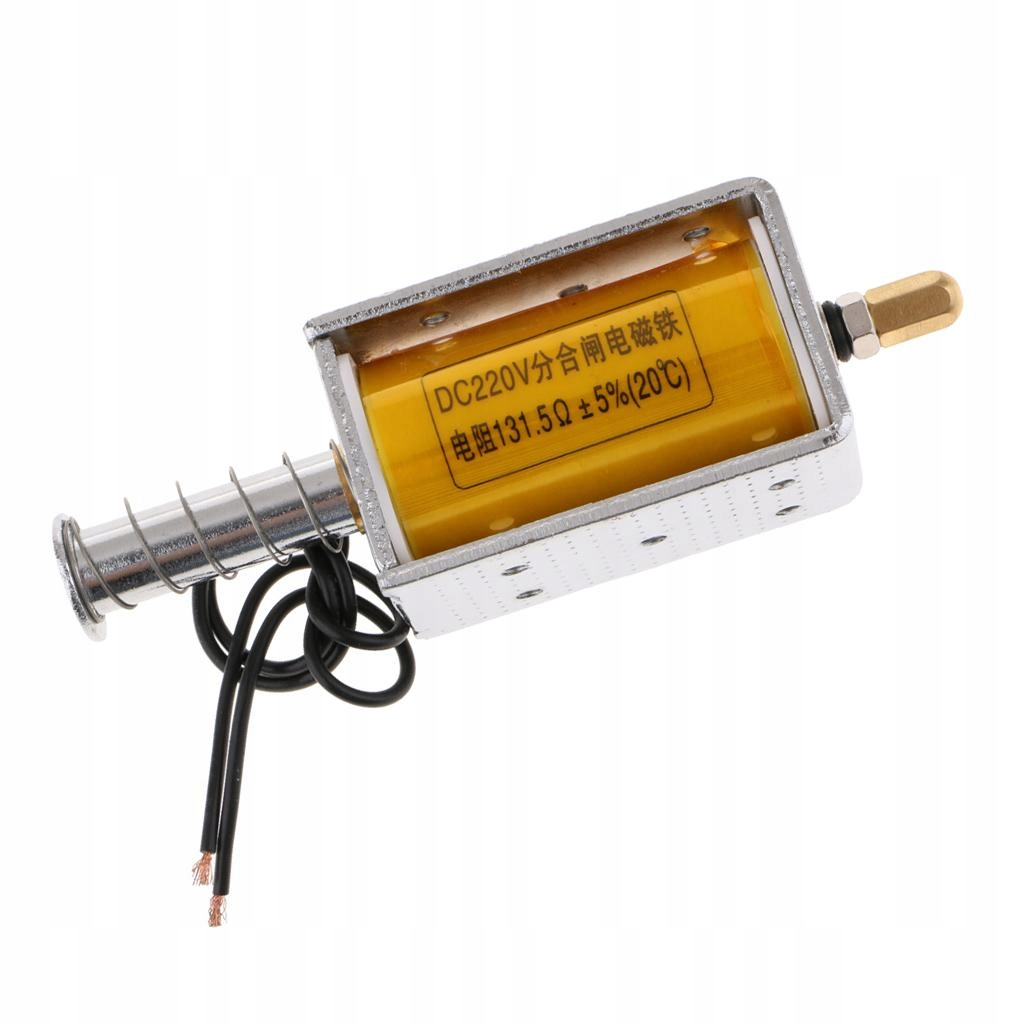
II.Fundamental Reason: The ring main unit uses a short-time duty coil. The opening and closing coil design is such that it operates for only tens of milliseconds to a maximum of one second, de-energizing immediately after completing the closing/opening command. It has three characteristics that prevent it from operating continuously:
1.Very thin wire with many turns: To ensure sufficient suction, thin enameled wire is used, which heats up quickly with high current.
2.No heat dissipation design: It’s just a small coil without a fan or heat sink, so heat cannot dissipate.
3.Very low insulation temperature resistance: If the enameled wire overheats, the insulation melts directly → inter-turn short circuit → directly burns black and breaks.
4.Compare it with a “long-time coil” and you’ll understand
– Contactor coil: Long-time operation, energized 24 hours a day.
III. Simplest and Most Effective Solutions
- Replace/adjust the auxiliary switch first (most effective)
- Remove rust, lubricate, and adjust the travel of the mechanism.
- Check if the buttons and relay contacts are stuck.
- Add a heater and dehumidify the humidification chamber.
- Replace the coil with one from a reputable manufacturer; do not use off-brand coils.